Tag: Tips&Tricks

  • How to Build a Product Campaign with Sogni AI

    How to Build a Product Campaign with Sogni AI

    Whether you’re launching your own clothing brand, a handmade skincare line, or the next cult-favorite gadget, a good product campaign is more than just visuals, it’s about coherence, emotion, and storytelling. In a world saturated with digital ads, what cuts through is intention. With Sogni AI, creators no longer need a full production team to bring product ideas to life. You can visualize the entire narrative, packaging, moodshots, lifestyle setups, brand feel, directly from a well-structured prompt. In this Tips & Tricks guide, we’ll break down how to approach product storytelling from scratch: from defining the emotional core of your product to creating the visual assets you need for Instagram, e-commerce, or ad creative. We’ll show how to build full scenes around a product, not just render isolated images. 

    Because great campaigns don’t just show what something looks like, they make you feel why it matters.


    1. Fashion Accessories Editorial (Handbag Hero Shot)

    Accessories are often the emotional centerpiece of a fashion campaign. A handbag isn’t just a product, it’s a symbol of identity, function, and movement. With Sogni, you can generate high-impact visuals that echo the aesthetic of global design brands without needing models or studio access.


    Prompt example:
    “minimalist street fashion editorial photo, model in profile walking along textured concrete wall, holding designer handbag, inspired by Japanese urban design, neutral color palette with black and white tones, soft directional lighting, oversized coat and clean sneakers, calm and structured composition, space above for campaign text”

    Prompt structure tips:

    • Define scene and model presence: walking, profile, standing
    • Add styling: oversized coat, sneakers, bag as focus
    • Set the tone: neutral colors, concrete textures, calm light
    • Allow space for text: top or side margin

    Tools to use in Sogni:

    • PaintOver to overlay logo or campaign name
    • Crop for format variations (stories, portrait, landscape)
    • Zoom Out to add breathing space or background variation

    2. Apparel Product Shot (Stylized Fashion)

    Whether you’re launching a tee drop or building a full clothing brand, your campaign needs more than flat shots, you need mood, movement, and styling. You can generate fashion-forward visuals without models or wardrobe.

    Prompt example:
    “studio fashion photo of oversized graphic t-shirt on hanger, bold lighting with colored gels (red and purple), futuristic shadows on background wall, shirt features large design in center (blank space), editorial high contrast look, clean minimal set”

    Prompt structure tips:

    • Start with garment: graphic tee, hoodie, dress, etc.
    • Mention presentation: on hanger, folded, worn (silhouette only)
    • Add mood: bold lighting, shadows, abstract wall background
    • Text/design area: centered blank space for artwork or text

    Tools to use in Sogni:

    • PaintOver for design overlays
    • Creating a Solid Background: When generating your prompt, you can include a clean background color (e.g., “white seamless backdrop” or “solid beige background”) to prepare the image for direct use in product catalogs or websites.

    3. Skincare / Wellness Product (Soft, Clean, Real)

    Beauty and skincare campaigns thrive on clean aesthetics, soft natural light, and intimate detail. These campaigns benefit from photorealism and emotional warmth.

    Prompt example:
    “elegant skincare scene for luxury moisturizer jar, soft daylight from side, beige linen fabric as background, natural stone surface, dried flowers decor, glass jar with gold lid in center, minimalist branding, shallow depth of field”

    Prompt structure tips:

    • Name the product and material: glass jar, dropper bottle, metal tube
    • Mood: daylight, soft textures, shallow focus
    • Elements: linen, stone, dry flowers, shadows
    • Framing: center focus, space for logo

    Tools to use in Sogni:

    • Zoom Out to expand environment
    • Inpainting to tweak textures and edges
    • PaintOver to test packaging variations

    4. Tech Accessories (Futuristic, Lifestyle, Sleek)

    Tech campaigns benefit from contrast — either super clean, modern setups or dynamic lifestyle scenes. The goal: make the object feel like part of a cooler future.

    Prompt example:
    “product photo of futuristic wireless earbuds on concrete block, dramatic top lighting, deep shadows, cool gray and cobalt palette, floating hologram-style UI above the earbuds, realistic texture detail, high-tech mood, blank space above for text”

    Prompt structure tips:

    • Focus on form: headphones, smartwatch, stylus…
    • Set the surface and background: metal, wood, dark studio, lifestyle
    • Add energy: holograms, glow, motion blur if needed
    • Leave editable space: above or side for branding

    Tools to use in Sogni:

    • PaintOver to add UI elements, price, or names
    • Zoom Out for layout
    • Crop for ad/hero shots

    You don’t need a warehouse, models, or production budget to build product stories. With the right prompts and tools, Sogni lets you prototype campaigns that look good enough to launch, and better yet, inspire.
  • How to Design a Concert Poster with AI Prompts

    How to Design a Concert Poster with AI Prompts

    Designing a concert poster isn’t just about colors and typefaces; it’s about capturing a vibe, translating sound into vision, and pulling people into an experience before the first note even plays.

    With Sogni, creators can channel those moods directly through prompting, building vivid visuals that echo the energy of any show, whether it’s a gritty Rock and Roll set, a family-friendly daytime festival, or a euphoric rave. 

    In this Tips & Tricks edition, we’ll break down how to craft distinct poster styles using just the right language, image tools, and layout guidance. From atmospheric lighting to focal elements, these examples will show how to turn your concert vision into a poster that hits just as hard as the music.

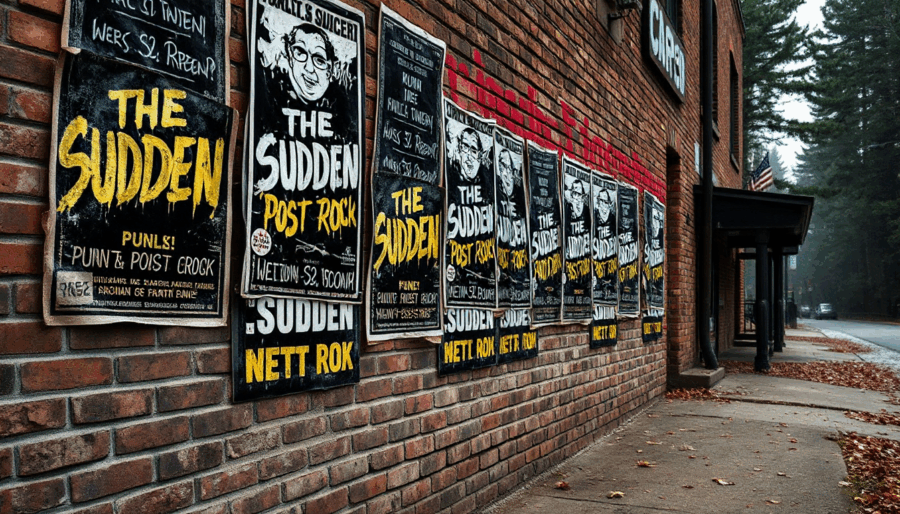
    1. The Rock and Roll Poster, (The Sudden Band inspo).

    This type of poster should scream power, rebellion, and impact. Think bold composition, dramatic shadows, and textures that feel loud. Our goal here is to match the visual intensity of a band that feels like a wall of sound, such as The Sudden, a band based in the Rocky Mountains known for their high-energy tracks, hard-driving guitars, and alternative post-punk style. Their visuals often feature surreal or gritty themes, from hermit crabs under cosmic skies to burning flames and ghostly textures, combining bold typography with strange, atmospheric imagery.

    Prompt example:


    “concert poster for a post-punk rock band called The Sudden, black-and-white forest backdrop with nature figures, surreal lighting effects, handwritten band name, bold sans-serif type, eerie natural textures, slight motion blur, layered smoke and shadows, blank area in center bottom for venue and date”


    Prompt structure tips:

    • Start with the genre and subject: concert poster for a post-punk band
    • Set the scene: black-and-white forest
    • Add mood: surreal lighting, eerie natural texture, motion blur
    • Typography: handwritten logo, modern sans-serif
    • Leave space: bottom center for details

    Tools to use in Sogni:

    • PaintOver to add custom tour name, date, or venue details
    • Crop tool to refine composition for Instagram story vs flyer formats

    2. The Community Festival Poster (The Picnic Style)

    This style is friendly, colorful, and full of life. Ideal for family or community events, you want to communicate joy, openness, and belonging. Think open-air setting, smiling faces, picnic blankets, music notes, and lush greenery.

    Prompt example:
    “photographic concert poster for a community music festival called The Picnic, outdoor park scene under daylight, large inflatable astronaut installation as visual centerpiece, giant purple octopus tentacles in background, festive family environment, natural colors and cheerful expressions, text in center reading ‘The Picnic’ with red and white gingham tablecloth texture”


    Prompt structure tips:

    • Start with the event type: community music festival poster
    • Set the scene: outdoor park, blue sky, trees, picnic
    • Add elements: balloons, instruments, families
    • Tone: colorful, vintage, cheerful
    • Keep space: blank center for text

    Tools to use in Sogni:

    • Zoom out for composition
    • Inpainting for cleanup and detail

    PaintOver to refine text areas or apply texture


    3. The EDM/Rave Poster (EDM Festival Style)

    This is where you go all-in on color, abstraction, and movement. An EDM poster needs to feel like it vibrates. Think glowing waves, strobe lights, futuristic energy, and a club/rave mood.

    Prompt example:
    “ultra-detailed EDM festival poster, inspired by EDM music festivals, pulsing neon lights and laser beams, holographic soundwave patterns in the sky, futuristic cityscape at night, glowing crowd silhouettes dancing with hands in the air, immersive lighting effects, blank central space for lineup text, high energy, dreamlike and immersive style”


    Prompt structure tips:

    • Name the style: EDM or rave festival poster
    • Build the vibe: neon, laser lights, abstract waves
    • Set the tone: futuristic, high energy, vibrant colors
    • Include action: crowd silhouettes, dancing
    • Reserve space: center area for lineup

    Tools to use in Sogni:

    • Zoom out to create balanced spacing
    • PaintOver for lineup, ticket info, or links


    Each poster style has its own language and rhythm. Once you master how to speak through prompts and use Sogni’s tools for fine control, you’re no longer designing, you’re composing visual music.

  • How to Prompt Perfect Graffiti Text with Sogni AI

    How to Prompt Perfect Graffiti Text with Sogni AI

    Graffiti isn’t just text spray painted on a surface.t’s texture, rebellion, and rhythm. Whether it’s sprayed across a crumbling brick wall or layered over a freight train in motion, the visual language of graffiti has its own codes and attitude. And when prompting with AI, you’re not just asking for “words”,you’re recreating an entire subculture on the wall of a virtual city.

    Here are  5 tips on how to get it right with Sogni AI.

    1. Start with the vibe, not the word

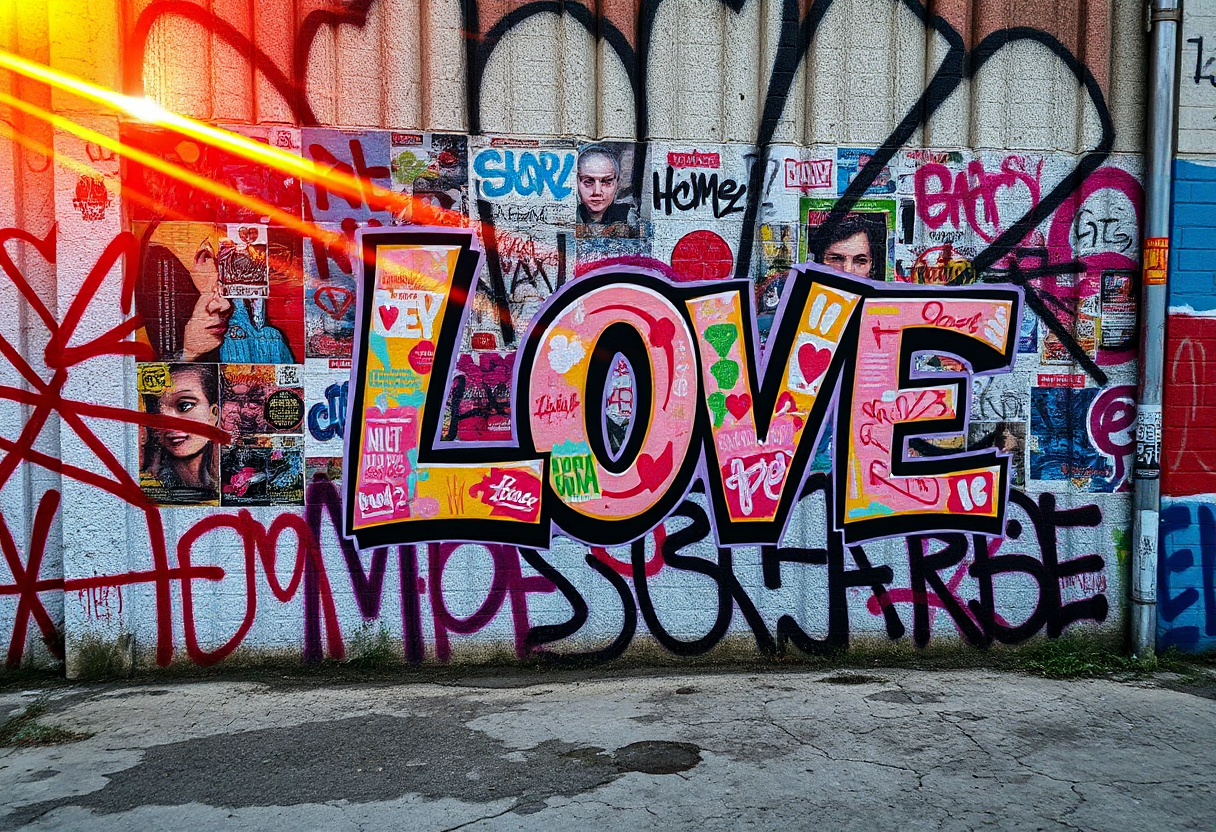
    Instead of prompting literally for a message (“graffiti that says ‘LOVE’”), begin by describing the scene, the energy, or the aesthetic.

    Try:

    “Urban wall covered in vibrant street art and layered graffitti, cracked concrete surface.”

    This gives the model context to build a convincing graffiti scene where words naturally emerge from the environment. If you just write “text,” AI might return illegible scribbles or typographic chaos. Remember: graffiti is style-first, then message.

    2. Use layout cues, not literal commands

    Want a full mural? A chaotic wall of tags? A single word in bold, stylized form? Examples:

    “One central graffiti tag in bold black spray paint on a clean concrete wall.”
    “Graffiti mural with colorful layered tags and stencil elements.”

    This helps guide placement and composition without getting lost in the syntax.

    3. Trigger style with key graffiti terms

    Sogni’s Flux model responds well to culture-coded terms. Try incorporating references like:

    • “spray paint”
    • “street art”
    • “urban mural”
    • “drips and stencil effects”
    • “Berlin-style graffiti”
    • “throw-up” or “wildstyle” (for more complex lettering)

    This language helps the model focus on visual grammar instead of defaulting to “text = typography.”

    4. Add realism through materials and lighting

    Make it feel like part of the world. Texture and light are essential in graffiti.

    Prompt ideas:

    “cracked concrete surface, deep sunset lighting with golden highlights, realistic 3D spray paint textures, stencil shapes,”

    You’re creating a believable environment, not just “words on wall.”

    5. Use Symmetry and Focal Cues to Anchor the Message

    When aiming for readable or semi-readable graffiti, help the model by anchoring the text visually. Describe the placement, scale, and balance rather than relying on the AI to guess. Use terms that signal composition and intent.

    Try:

    “Graffiti wall with a central focal point, large stylized letters in the middle, symmetrical layout, framed by layered street tags and faded posters.”

    This approach nudges the AI toward a cleaner arrangement where your intended text area stands out, even if the lettering isn’t crystal clear, the design reads as intentional. You’re not fighting the model, you’re steering it gently.


    Pro Tip: Use Flux

    Among Sogni’s models, Flux delivers particularly strong results for graffiti prompts. That’s thanks to its training on high-contrast urban environments, texture-heavy scenes, and stylized visual cues. If you’re trying graffiti, Flux should be your go-to.


    Want more prompt recipes like this one? Follow along at SogniNews.com or check out our artist community on Reddit and Instagram.
    And don’t forget—Freedom to Create, Power to Earn.

  • The Right Way to Add Text to AI-Generated Images

    The Right Way to Add Text to AI-Generated Images

    One of the most common frustrations for creators using AI image tools is this:
    “Why does the AI butcher my text?”

    Whether you’re designing a poster in Sogni Studio or another AI tool, creating a product mockup, or visualizing a campaign concept, you’ve probably run into distorted fonts, broken letters, or gibberish text in the results.

    But here’s the good news: there are better ways to get clean, editable text into your visuals, and it doesn’t require fighting the model!

    This Tips & Tricks guide is here to help you get better, cleaner, and more readable text on your AI-generated images.

    Let’s break it down.


    Why AI Struggles with Text

    Many AI image models — including popular ones like Stable Diffusion and SDXL in  Sogni AI tool suite — are trained to replicate visual patterns, not layout type. So when you ask for a specific phrase to appear in an image, the model guesses what that might look like, pixel by pixel. And that guess often misses the mark.

    It’s not a bug, more so a limitation of some generations of diffusion models. But there are clever ways around it — starting with model selection.


    Solution #1: Select a model designed for text, like Flux

    PROMPT: A warm and fun family game night playing Scrabble with “FLUX ON SOGNI” spelled out in Scrabble letters. Written in paint marker on table: “IS PRETTY GOOD WITH TEXT.”

    If you’re designing a prompt with text, FLUX is currently in a class of its own for that task in the Sogni Studio model lineup. Flux’s advances in rendering text come from recognizing that text isn’t just another visual object — it’s a different class of data that has additional training data and architectural attention to preserve pixel-level accuracy and typography layout, much like a graphic designer would.

    Flux is not perfect, but it can be quite accurate even with several groups of text. For the best chance at a perfect text layout, keep text short or render with a higher batch count to ensure you’ll have a few perfect options.

    Many newer models like Flux have a great understanding of text but don’t have all the niche content and style expertise of our 100+ Stable Diffusion community “fine-tunes” which are still undefeated champions in their niches like Animagine XL for Anime or Pony XL for uncensored and quirky. You can still use these models with text; your mileage may vary, but here are some options that can really help your success rate and workflow.


    Solution #2: Use Placeholder Prompts

    If your goal is layout and structure (say, a campaign poster or a quote card), aim for prompts like:

    • “blank white box for headline text”
    • “empty product label with modern design”
    • “poster with clean text area in the center”

    Once generated, you can open your image in Sogni Studio and use tools like PaintOver to add your real message on top with clarity and control.


    Solution #3: Get the Style, Not the Content

    Instead of forcing the AI to write exact phrases, ask it to replicate text aesthetics:

    • “graffiti lettering on brick wall”
    • “retro pixel-style shop sign”
    • “bold serif headline on vintage ad layout”

    This gives you an atmospheric base. From there, drop the image into your design tool and overlay the actual text you want.


    Solution #4: Generate First, Add Text Later

    This is the cleanest method. Create your scene, focusing on light, balance, and subject placement. Then, after generation, bring in the text.

    Whether it’s in one of Sogni Apps or another AI editing tool, adding typography after the image is generated gives you total control over size, legibility, contrast, and message clarity.


    Bonus Tip: Simplicity Wins

    When prompting, less is more. Instead of:

    “poster that says ‘Dream Bigger’ in modern sans-serif font”

    Try:

    “modern poster layout with space for title”

    This helps avoid weird or incorrect results and makes the image more useful for real design work.


    Final Thought

    Let the AI handle the visuals. You bring the message.

    Whether you’re designing with Sogni Web, Sogni Pocket, or editing directly in Sogni Studio, combining the strengths of both human intention and AI assistance leads to sharper, more impactful creations.

    And if you found this helpful, keep an eye on our Tips & Tricks series; we’re just getting started! 

    Download the Sogni apps (Studio, Web, or Pocket) and start creating your own visuals with text and without! Need inspiration? Explore our tutorials and creative tips on Sogni’s YouTube channel.

  • Infinite Zoom in Sogni: From Rainforest to Atom

    Infinite Zoom in Sogni: From Rainforest to Atom

    A visual tutorial by Josh Cross

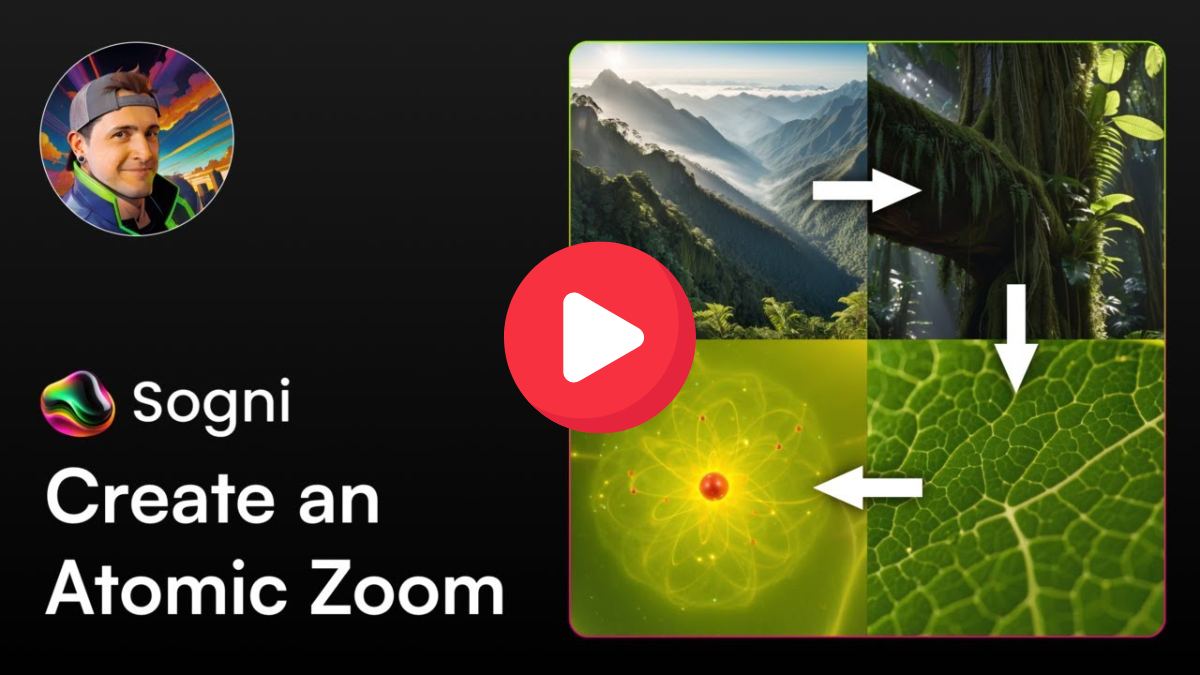
    Some tutorials show you how to use a tool. This one shows you how to bend reality with it. In this video tutorial by creator Josh Cross, we follow a journey built in Sogni Studio—zooming from a rainforest landscape all the way down to quantum foam, using nothing but guide images and imagination.

    The idea is simple: each new image becomes the seed for the next, aligning perfectly as we push deeper into scale. It’s a 15-level dive from forest ridge to atomic structure, created entirely inside Sogni, then stitched into a seamless animation using Final Cut Pro.

    But more than a trick, it’s a showcase of control, structure, and storytelling.

    The Process

    Josh begins by defining the structure: 15 levels, each zooming further than the last. Instead of changing style along the way, he locks in a single, consistent prompt:

    Style: photorealistic, highly detailed, professional photography, 8K
    Avoid: cartoon, illustration, unrealistic elements

    This consistency ensures that each frame blends naturally into the next. Each image is selected from a set of four, chosen for its composition and potential to guide the next zoom.

    Sogni’s guide image feature does the rest.

    At 35% strength, Josh brings each chosen image into Sogni Studio, opens the camera settings, and zooms in 4x—framing a new area for the next generation. The model used throughout the process is AlbedoBase XL, for its balance of speed, structure, and visual fidelity.

    The Journey

    Here’s the sequence Josh walks through:

    • Vast rainforest → mountain ridge → forest edge
    • Forest edge → canopy interior → tree → tree branch
    • Leaf surface → microscopic cell structures
    • Plant cells → stomata → interior of the cell
    • Photosystem proteins → pigment molecules → atoms
    • Atomic nucleus → quantum foam

    Each image builds upon the previous one, selected and aligned by hand. The transitions are subtle, yet dramatic—zooming with intent, not just scale.

    Once the images are ready, Josh brings them into Final Cut Pro to animate the zoom and add timing. The result is hypnotic: a perfectly fluid visual journey that feels like one long camera take into the invisible.

    Why It Works

    This tutorial highlights something important: tools like Sogni don’t replace creativity, they reveal it. Josh isn’t just pressing “generate”—he’s directing, curating, and composing each frame.

    By using guide images and zoom control, he turns static generations into a narrative of scale. The prompts don’t change, but the story evolves with each decision.

    It also reminds us that Sogni plays well with others. Bringing your generations into video editors, design tools, or motion software extends what’s possible. It’s about creative flow, not technical silos.

    Try It Yourself

    Want to build your own infinite zoom? Here’s Josh’s approach boiled down:

    • Map your concept in advance (e.g. rainforest → atom)
    • Keep your style prompt consistent
    • Save each image to the gallery as a guide
    • Use 30–40% strength for better visual continuity
    • Frame zooms carefully using the camera settings
    • Animate transitions in your preferred editing tool

    This technique doesn’t require special plugins or hacks—just your vision and some patience.

    Josh’s video shows what happens when you slow down, think like a director, and build your image world layer by layer.We all create. Sogni helps you go deeper.
    Guide the structure. Zoom with purpose. Create at every scale.


  • Breaking Boundaries in Contemporary Art

    Breaking Boundaries in Contemporary Art

    A collaboration between My Name is DAO ✕ Sogni AI

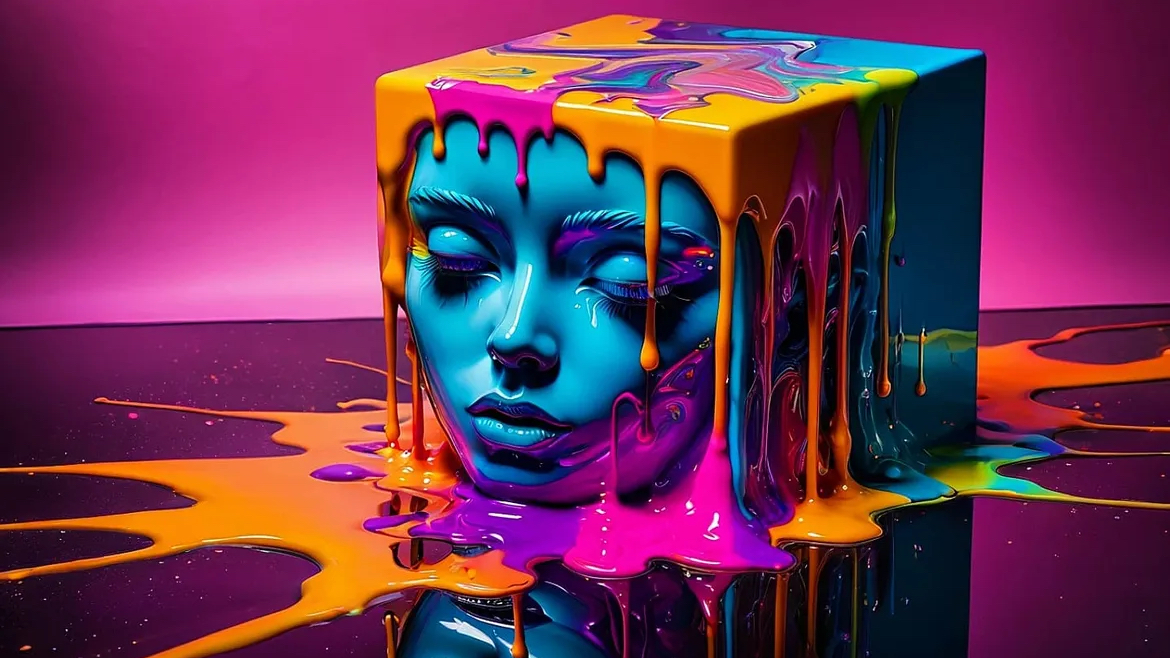
    In contemporary art, boundaries aren’t just there to be pushed—they’re there to be erased. This week, we’re sharing a creative process from artist My Name is DAO, who uses Sogni AI to explore what happens when the familiar is twisted into something beautifully strange.

    Their approach to surrealism is grounded in simplicity: start with what you know, then slowly bend the rules until reality begins to dissolve. With Sogni, that process becomes intuitive. The platform doesn’t just respond to prompts—it follows creative instinct.

    The Trick: Start Real, Then Break It

    It begins with a simple object: a tree, a chair, a bottle. Something recognizable. Something rooted. Then comes the question that opens everything up: What if this didn’t follow the rules?

    That’s when Sogni takes over, acting like a second set of hands—generating new shapes, suggesting impossible combinations, and blending digital textures with the surreal.


    How My Name is DAO Does It

    1. Begin with the Ordinary
    Select a mundane scene or object. It’s the tension between normal and strange that gives the piece its power.
    Tip: Don’t overthink it—simplicity is your foundation.

    2. Add Surreal Disruptions
    Introduce unexpected colors, warped proportions, or dreamlike textures. Let the familiar lose its grip.
    Tip: Ask “What if this belonged in a dream?”

    3. Layer in the Digital
    Incorporate NFTs, generative graphics, or virtual motifs. Place them deliberately where they don’t quite belong.
    Tip: Contrast is your friend. Use it to create friction.

    4. Let It Get Messy
    Color can clash. Shapes can distort. Not everything needs to resolve.
    Tip: When two ideas feel unrelated, try combining them.

    5. Refine with Intuition
    Light, shadow, and texture bring cohesion. Look for where your eye rests—and build from there.
    Tip: Sometimes one small change unlocks everything.


    The Why Behind It

    “With Sogni, I’m not just trying to create images,” says My Name is DAO. “I’m trying to surprise myself. I want to see something I didn’t expect—but that somehow feels right.”

    Their work reflects a process of discovery. It’s less about perfection and more about exploration. About stepping outside known techniques and letting the image emerge on its own terms.

    Sogni acts as both collaborator and mirror. It responds to the artist’s vision while offering new directions, new textures, and new dimensions to work with. It makes the surreal feel natural.


    Try It for Yourself

    This process isn’t about having the perfect concept—it’s about starting somewhere and letting it evolve. Use your own photographs, sketches, or prompts. Keep it open-ended. Let Sogni show you what else is possible.

    Whether you’re creating for yourself, your community, or the blockchain, the goal is the same: to make something that breaks form while staying true to feeling.

    Sogni is available on Sogni Pocket, Sogni Studio, and Sogni web. Start creating at Sogni.AI

    We all create.

  • The Art of Elegant Dissolution: A Surreal Painting Prompt

    The Art of Elegant Dissolution: A Surreal Painting Prompt

    By Badoiu Valentin @SirDevil

    In an age where digital art races toward complexity, there’s something profoundly moving about simplicity — a quiet figure, a flowing texture, a gentle act of disappearing into the world.
    This painting style embraces grace over chaos, emotion over spectacle — an ode to elegance, transformation, and timeless beauty.

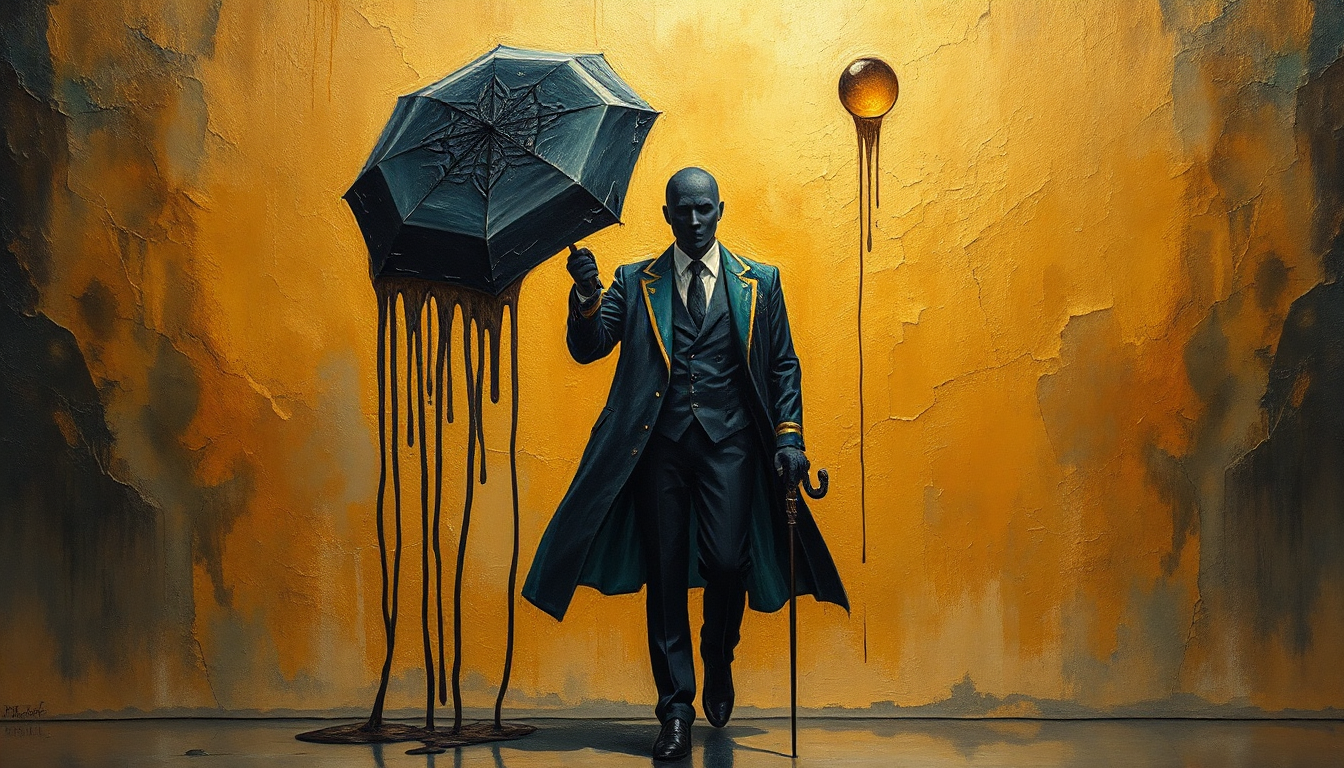
    Imagine a world where people melt into golden skies, where umbrellas, violins, satchels, or balloons slowly dissolve into shimmering streams of paint — as if memory itself were slipping away.
    With just a few delicate elements — texture, drip, light, and shadow — you can create surreal masterpieces that feel carved out of dreams.

    Today, I’m sharing a carefully crafted prompt template that captures this unique style, so you can create your own scenes of delicate transformation.


    The Heart of This Style

    • Simplicity first: One figure, one background, minimal clutter.
    • Elegant dripping: Paint flows naturally from body and surroundings, blending subject and world.
    • Rich, sculptural textures: Heavy impasto paint that looks almost 3D — like molten wax or liquid gold.
    • Soft, emotional lighting: Dark but luminous — evoking memory, longing, peace, or gentle sorrow.
    • Organic movement: Drips, cracks, flows — always natural, never violent.

    It’s less about shocking the eye, and more about whispering to the heart.


    Prompt Template: Elegant Surreal Dripping Painting

    Use this structure to craft your own artworks:


    [Subject]:
    A surreal, highly textured painting of [describe figure — e.g., a faceless man in a black suit, a cloaked traveler, a standing figure holding an umbrella or staff].

    [Pose and Setting]:
    The figure stands [position — e.g., motionless, quietly, elegantly] against a [background color or texture — e.g., golden, glowing, cracked wall; misty ocean sky].

    [Dripping and Melting Details]:
    Thick streams of [paint colors — e.g., black and gold, sapphire blue and silver, deep emerald and ash gray] melt from the figure’s body, clothing, and any objects they hold, dripping downward gracefully across the canvas.

    [Background Dynamics]:
    The background itself [action — e.g., cracks, melts, liquefies], releasing streams of [color — e.g., glowing amber, soft silver, molten sapphire].

    [Texture Style]:
    Rich 3D impasto effect, with paint resembling [specific texture — e.g., molten wax, liquid honey, cracked stone, flowing silk].

    [Lighting and Mood]:
    Soft, moody lighting. Emotional contrast. Elegant and minimalistic — evoking transformation, memory, or peaceful dissolution.


    Three Examples — With True Variety

    Let’s breathe life into this style with a few distinct visions:


    1. The Last Lightkeeper

    A surreal, textured painting of a faceless woman in a flowing deep teal dress, holding a glowing lantern. She stands silently against a misty indigo sky brushed with soft stars. Thick streams of teal, silver, and faint gold paint melt from her dress, the lantern, and the air itself, dripping in long elegant currents. The sky gently fractures, releasing rivers of molten silver. Heavy sculptural textures and gentle, luminous lighting evoke quiet hope and distant dreams.


    2. The Quiet Fisherman

    A surreal, heavily textured painting of an old man in a worn olive-green raincoat, clutching a wooden fishing rod. He stands against a cracked pale blue ocean wall. Moss green and faded ivory paint flow from his coat, rod, and boots, dripping naturally into the canvas like rain on old stone. The background peels like weathered paper, leaking misty streams of faded sea colors. Sculptural 3D paint, soft melancholy light — timeless and deeply grounded.


    3. The Velvet Dreamer

    A surreal, richly textured painting of a faceless girl wrapped in a crimson velvet cloak, seated on a stone bench. She rests quietly against a golden autumn forest backdrop. Deep red, copper, and warm amber paints melt from her cloak and the trees around her, dripping heavily but gracefully downward. The forest background softly liquefies into streams of molten copper. 3D impasto textures and warm emotional lighting evoke nostalgia, warmth, and quiet wonder.


    Closing Thoughts

    In this style, stillness becomes powerful, and melting becomes meaningful.
    Every drip, every fracture, every flowing line whispers a small story about memory, change, and beauty beyond words.

    Use the template to craft your own visions — change the colors, figures, or moods — and let each creation feel like a soft elegy to the passing of time.

    If you create something inspired by this method, I would be honored to see it.

    We All Create.


  • Unleash Your Imagination: A Creative Prompt Template for Stunning Illustrations

    Unleash Your Imagination: A Creative Prompt Template for Stunning Illustrations

    By Badoiu Valentin @_SirDevil_


    Creativity knows no bounds, and sometimes, all we need is a spark to ignite our imagination. Today, I’m excited to share a powerful prompt template that can guide artists, illustrators, and visionaries in crafting surreal and fantastical works of art. Using Sogni AI, this approach opens the door to endless possibilities, enabling you to design captivating scenes that evoke emotion and wonder.

    The Template

    “Design a surreal or fantastical illustration where [describe unique, large objects or structures] emerge in [setting or environment]. Each [object/structure] contains [describe the intricate, imaginative elements inside or around it]. The background showcases [describe the atmosphere, sky, or special effects, e.g., auroras, sunsets, or stars]. Blend [adjective] and [adjective] elements to evoke [specific feelings or themes, e.g., wonder, mystery, tranquility].”

    Example 1: Floating Lantern Meadows

    Design a surreal illustration where towering floating lanterns drift above a serene meadow. Each lantern is intricately designed, holding miniature gardens inside—one with vibrant tropical plants and butterflies, another with delicate cherry blossoms and shimmering ponds. The sky is awash in pastel hues of a setting sun, while trails of golden light connect the lanterns, creating an ethereal atmosphere.

    Example 2: Crystal Spires in the Fog

    Design a surreal illustration where towering crystal spires rise from a glowing fog in an enchanted valley. Each spire holds miniature ecosystems—one with dense rainforests teeming with exotic birds, and another with icy tundras inhabited by frosty creatures like ice foxes. Above, a captivating aurora reflects colorful beams onto the crystals, blending the mystical with the natural.

    Example 3: Mushroom Villages on Water

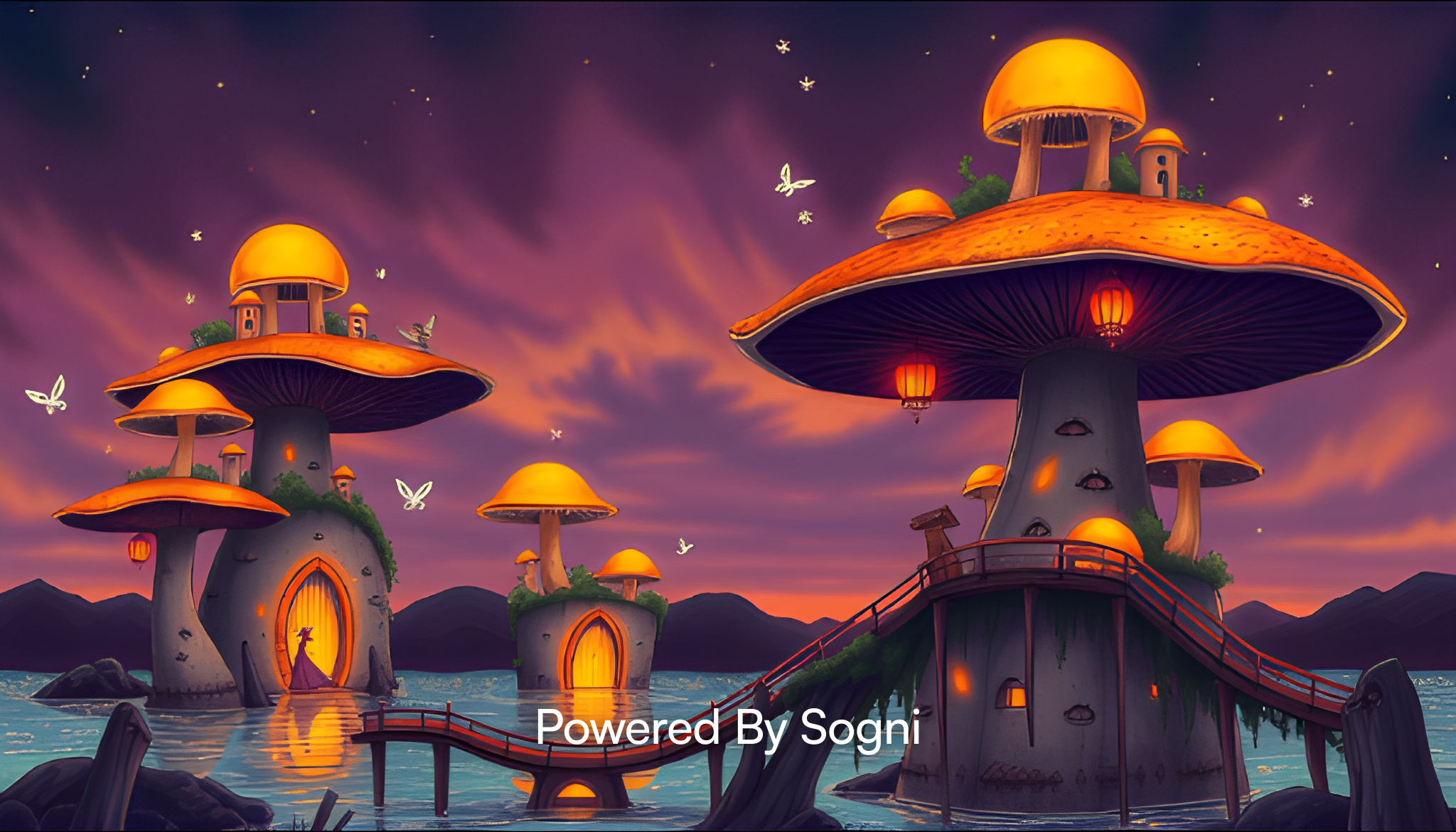
    Create a fantastical illustration where massive glowing mushrooms rise from a sparkling lake, their caps forming tiny villages illuminated by lanterns. Each mushroom is connected by delicate bridges, while fireflies and fairies move gracefully between the structures. The background features a twilight sky painted in deep purple and gold hues, adding a dreamlike quality.

    Final Thoughts

    Whether you’re an artist looking for inspiration or a creator aiming to bring new ideas to life, this prompt template can help you shape breathtaking, imaginative worlds. Adapt it, evolve it, and let your creativity soar.

    We all create—and every vision matters. If you use this prompt, feel free to share your masterpiece. I’d love to see where your imagination takes you.


  • How to Change Your Image Background with Sogni AI & ControlNet

    How to Change Your Image Background with Sogni AI & ControlNet

    Transform Backgrounds with ControlNet in Sogni Studio

    Changing a background can redefine your image’s purpose. Whether refining a concept, building assets for a digital project, or exploring visual alternatives, Sogni Studio with ControlNet gives you a structured and accessible method for background editing.

    This guide outlines the essential steps to isolate your subject and design a new scene using Sogni’s tools.

    Why Use Sogni Studio for Background Editing? Sogni integrates ControlNet directly into its creative suite, providing a practical alternative to complex external software. It’s ideal for:

    • Quick background editing with minimal steps
    • Organized workflows using segmentation and masking
    • Background creation through prompt-guided input
    • Maintaining subject integrity throughout the process

    This feature is part of Sogni’s commitment to support, not automate, human creativity.

    How to Change Backgrounds in Sogni Studio

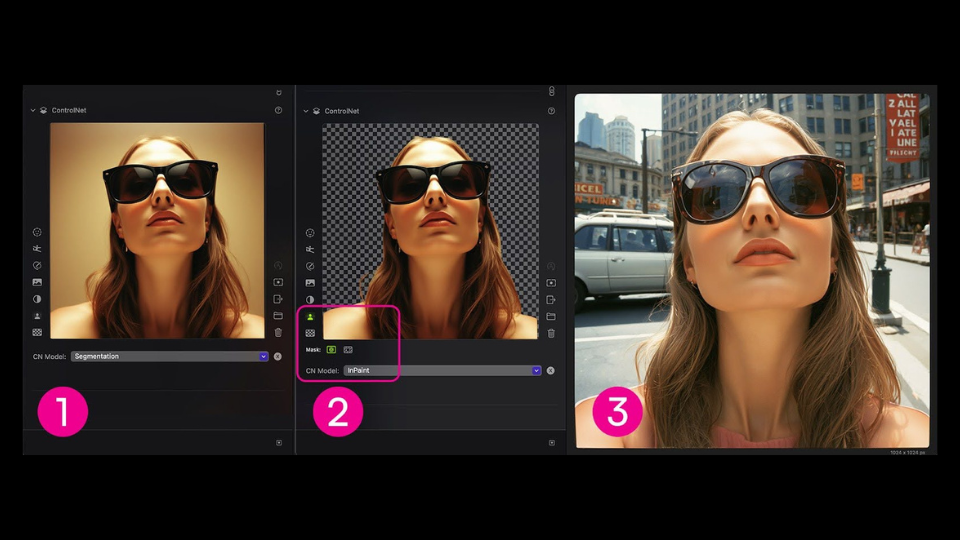
    1. Segment the Subject
    Use ControlNet’s segmentation model to detect and isolate the subject.

    • Select the segmentation tool
    • Upload your image
    • Let the system auto-detect the subject
    • Refine the mask for accuracy

    This step builds a solid foundation for clean edits.

    2. Apply the Mask
    Once segmented, use the masking tool to remove the original background.

    • Activate the background mask
    • Adjust edges if necessary
    • Confirm and proceed

    Now the subject is ready for a new visual environment.

    3. Generate a New Background with InPainting
    With the subject isolated, use ControlNet InPaint to insert a new background.

    • Choose the InPaint tool
    • Enter a detailed prompt for your desired setting (e.g., “sunset forest trail” or “urban rooftop at night”)
    • Preview and adjust until the result aligns with your vision

    You can iterate prompts to explore different stylistic or thematic options.

    When to Use It Sogni’s background editing tools are useful for:

    • Creating presentation visuals or portfolios
    • Building content prototypes
    • Exploring style variations within a creative series
    • Preparing graphics for campaigns or product visuals

    An Intentional Creative Process Sogni Studio enhances workflows without replacing the creative process. Tools like segmentation, masking, and InPainting are designed to reduce manual steps while keeping the creator in control.

    Whether you’re producing exploratory drafts or polishing final assets, this process keeps your ideas moving without unnecessary complexity.

    Closing Thoughts Sogni Studio is structured for precision and ease-of-use. With ControlNet, creators gain more flexibility to edit without outsourcing creative decisions to automation.

    By removing friction from background replacement, Sogni keeps your process smooth—and your creative direction intact.

    Learn more at sogni.ai


  • Sogni Studio Tips: Better Composition, Better Results

    Sogni Studio Tips: Better Composition, Better Results

    Composition is key in any visual creation. It shapes the mood, balance, and message of your artwork. Whether you’re sketching a concept or refining a detailed design, having control over framing, perspective, and positioning makes all the difference.

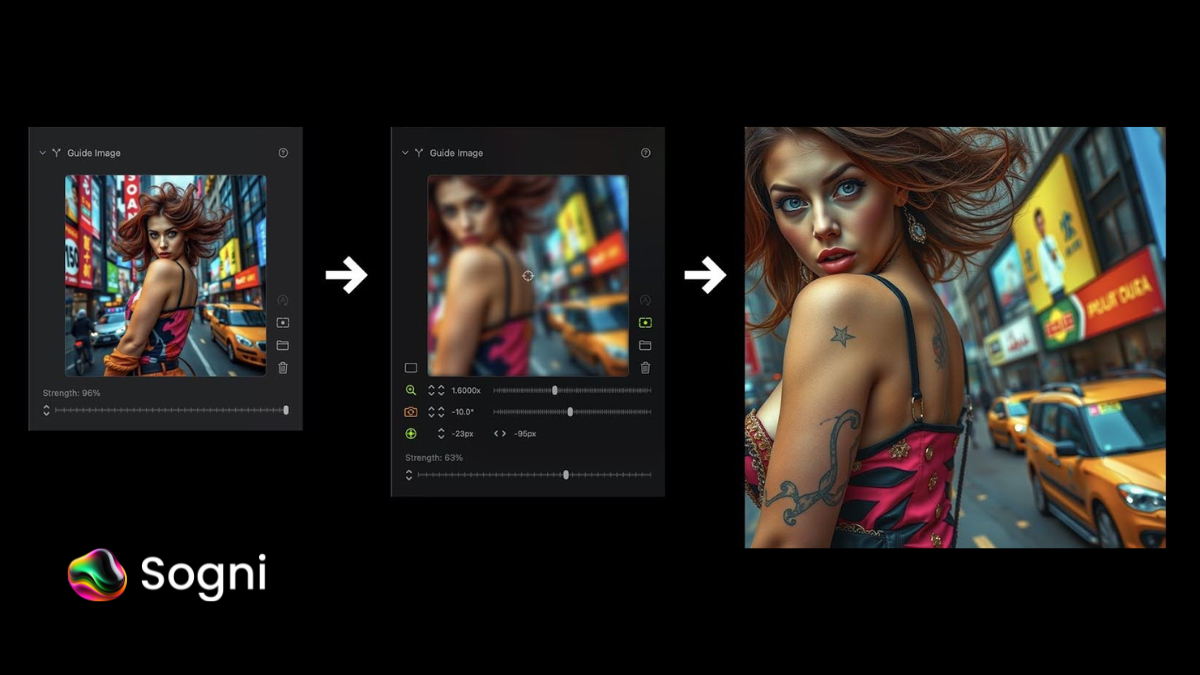
    Sogni Studio introduces camera settings that give you just that—control. With zoom, pan, and rotation now available for Guide Image and ControlNet, you can frame your work exactly how you imagined it. This update empowers creators to go beyond random outputs and truly shape their vision.

    Why Composition Tools Matter

    Before these tools, creating consistent and balanced images often meant trial and error. Now, you can:

    • Adjust how your visual references are interpreted
    • Keep proportions and poses consistent
    • Refine framing across a full series of visuals

    Whether you’re developing concept art, product visuals, or personal projects, this means less time re-generating and more time perfecting.

    What You Can Do Now

    ✔️ Match your framing and style across multiple creations
    ✔️ Refine visual perspective with precision
    ✔️ Work faster with less guesswork
    ✔️ Keep full control of your creative direction

    Sogni Studio isn’t just about automation—it’s about enabling your artistic choices to lead the process.


    🔗 Ready to create with more control? Explore it at Sogni.ai